

Managed Service
Sophos MDR
Continuous detection and response. MDR catches most incidents before they need IR. Combining the two is the most-common pattern with our customers.
Sophos Incident Response is the emergency service you call after a breach. 24/7 hotline activation, hands-on containment by senior incident responders, full investigation, and a post-incident report you can hand to executives, the board, or your cyber-insurance carrier.
Many “incident response” offerings are advisory: someone reads logs over a call and tells you what to do. Sophos IR takes the keyboard. Responders log into your environment, contain the threat, and walk you through what they did.
Engage by phone, day or night. Initial scoping call typically starts within minutes, not hours. Time-to-containment matters during an active breach; the clock starts when you call.
Engagements are run by experienced threat hunters and incident responders. You skip the typical “explain it from the beginning” round-robin and go straight to people who’ve worked similar incidents before.
Priority one: stop the bleeding. Hosts isolated, accounts disabled, credentials rotated, command-and-control channels broken. Containment usually happens in the first few hours of engagement.
Once containment is stable, the team reconstructs the timeline: initial access vector, dwell time, lateral movement, data accessed or exfiltrated. The full story of what happened and how.
Attacker tools, persistence mechanisms, and backdoors removed. Compromised systems rebuilt or remediated. Validation that the attacker no longer has a way back in before the team stands down.
Formal written report covering scope, timeline, actions taken, data impact, and remediation recommendations. The document you give to leadership, the board, regulators, or your cyber-insurance carrier.
Sophos Incident Response can be engaged two ways: emergency (you call mid-breach) or retainer (you pre-purchase response hours at a flat rate). Both work. Retainer is dramatically cheaper and significantly faster to activate.
You don’t have to be sure something is a breach to engage IR. Better to scope a possible incident than miss an active one.
You have direct evidence: ransomware note, attacker activity in logs, exfiltrated data, encrypted files. The first call to make. Engagement starts immediately on the scoping call.
Containment within hoursSuspicious logins, unusual file changes, an alert that doesn’t quite make sense, a former employee’s account doing things it shouldn’t. Call us to scope. Often the suspicion is real and waiting another day matters.
Scoping call, no commitmentNo active incident. Wise to have IR pre-arranged before you need it. Retainer locks in faster activation and lower rates - and the unused hours convert to proactive work.
Insurance-friendly, budget-friendlyIR is the response side. The detection side is XDR or MDR; the prevention side is endpoint and network security. Most customers run IR alongside the rest of the Sophos stack.
Continuous detection and response. MDR catches most incidents before they need IR. Combining the two is the most-common pattern with our customers.
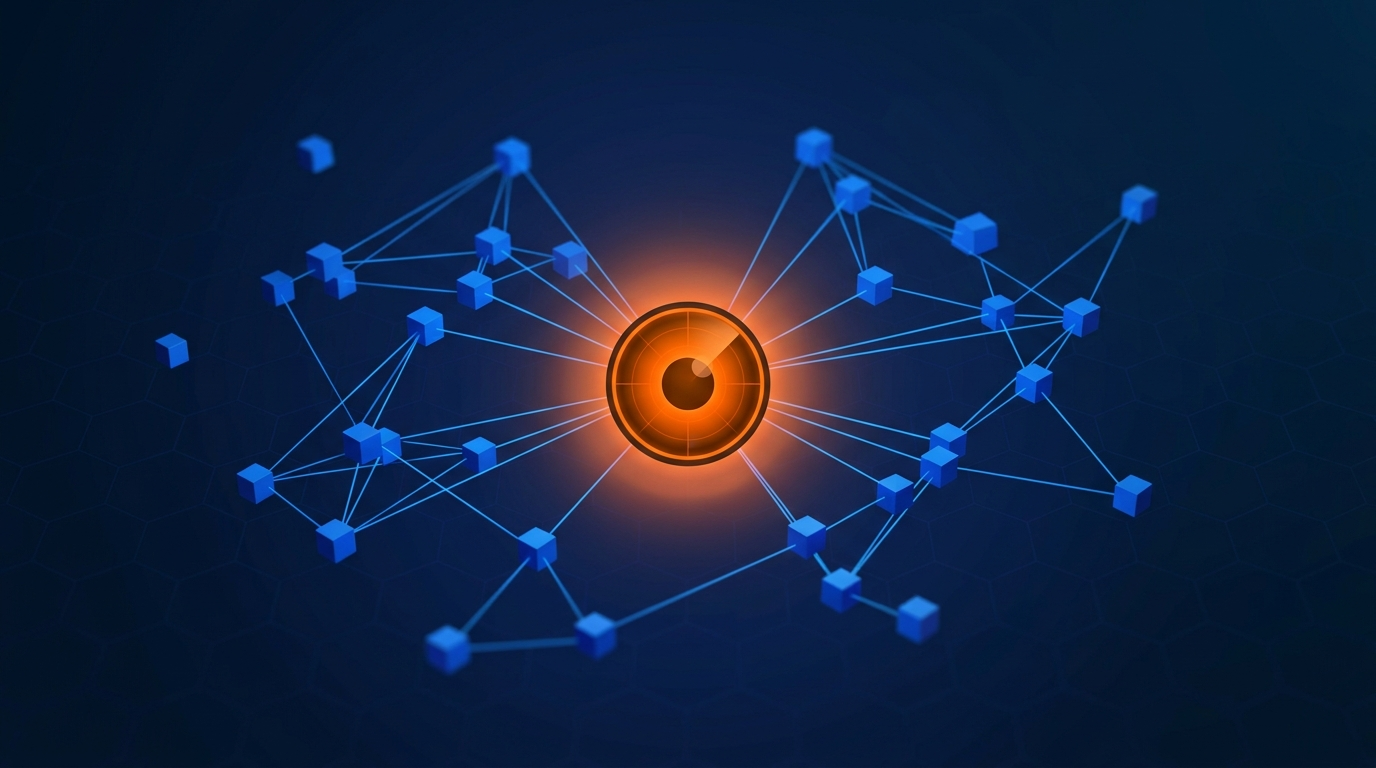
The data IR responders work from. When you call Sophos for an incident, the responders log into the same XDR platform your team uses, with full historical telemetry.
Intercept X provides the endpoint-side evidence IR needs: process history, file activity, network connections. Deeper endpoint deployment means faster IR resolution.
Toll-free 1-877-430-6240. We’ll start the IR engagement immediately. If you’re here proactively, request a quote on a retainer instead - dramatically faster activation, lower cost, and insurance-carrier-friendly.